KPMG's 2026 tech research found high performers report AI ROI more than double the average. The difference wasn't sophistication — it was integration.
Sustainable AI Advantage Isn’t a Tech Stack. It’s an Integration Problem.

Learning is forever
KPMG's 2026 tech research found high performers report AI ROI more than double the average. The difference wasn't sophistication — it was integration.
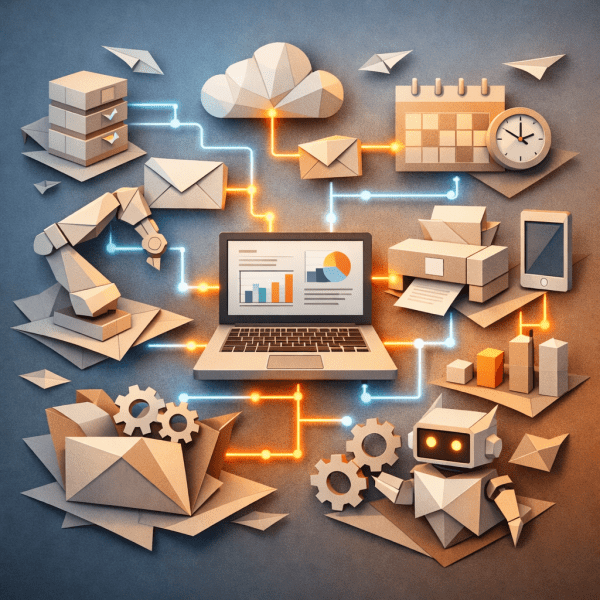
Hyper-automation has moved past efficiency into business model redesign. Here's what separates the flywheel builders from those watching it pass them by.
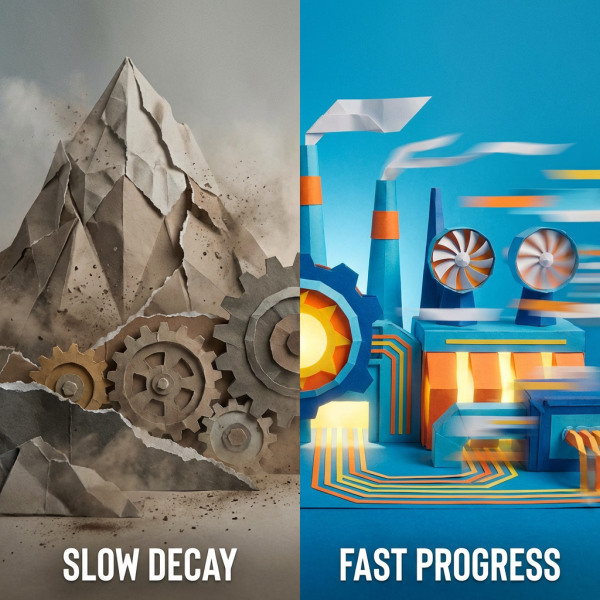
The innovation race isn't won by the best idea. It's won by the fastest cycle. Here's what separates the compounders from the laggards.

Composable enterprise is no longer a theory — it's a procurement requirement. The technical questions are often the easy part. Here's where organisations actually get stuck.

67% of organisations don't trust their own data for decisions. Yet AI is being built on top of it. That gap is where competitive advantage quietly compounds.

Most enterprise architecture models are a snapshot from two years ago, dressed up as today's truth. Living architecture is what replaces them — and the gap matters.

78% of organisations use AI. Public trust in AI companies just dropped. The organisations closing that gap aren't playing defence — they're building an edge.

Quantum computing has quietly crossed a threshold. The question isn't whether to pay attention — it's whether you're already too late to start.

The era of the monolithic AI is ending. What's replacing it looks less like a single powerful model and more like a well-coordinated team — with all the complexity that implies.
AI didn't just grow in 2025. It changed what growth means. Here's what the year actually proved — and what it left unresolved.

A new cohort of startups didn't retrofit AI into their business. They built the business on top of AI. The difference is more profound than it sounds.
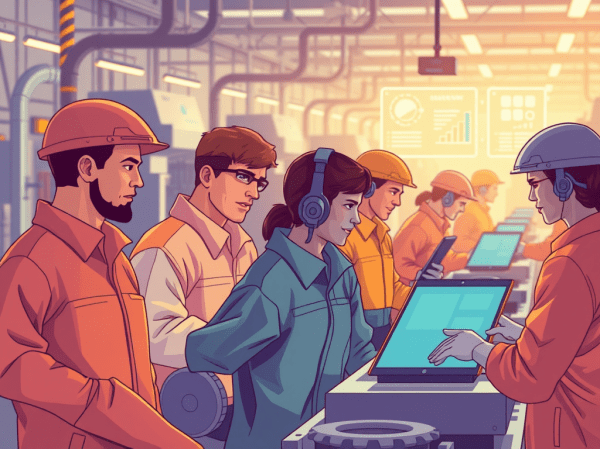
Kaizen was always meant to be continuous. For most organisations it was annual. AI is finally closing the gap between the idea and the reality.

AI didn't just speed up the race to PMF. It made the destination itself unstable. Here's what frameworks worth using actually look like now.

Most enterprises arrived at multi-cloud through a series of individual choices, not a strategy. The gap between those two things is where the real work is.

Generic cloud platforms served us well. Now enterprises are asking for something different — cloud that already speaks their language, knows their regulations, and comes pre-loaded with their problems.

Composable architecture isn't just an IT pattern. It's a bet that the enterprise of the future needs to be designed for change, not just designed well.

Low-code and no-code platforms aren't just speeding up development — they're changing who gets to build things in the first place.
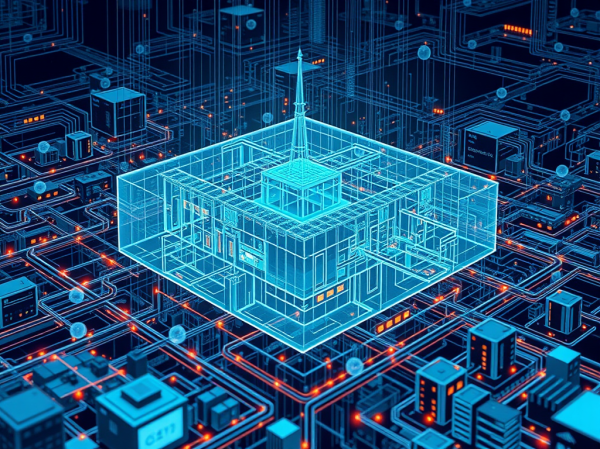
Enterprises are discovering that AI ambitions have a ceiling — and it's set by architecture decisions made a decade ago. The gap is widening fast.

Multi-agent AI is moving from demos to deployments. The surprising bottleneck isn't the AI — it's the orchestration layer holding it all together.

Enterprise AI teams are quietly stepping back from building and moving toward assembling. The shift in how AI gets deployed is more telling than the headline spending numbers.

Enterprise GenAI spend tripled in 2024. The pattern of where the money went — and how fast "buy" beat "build" — says something important about what comes next.

The novelty is fading. The hype is cooling. And somehow, that's exactly when AI gets genuinely interesting for the organisations paying attention.
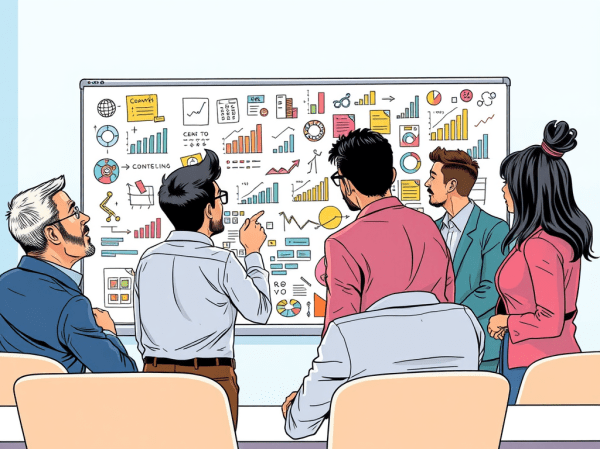
Enterprise AI crossed a threshold in 2024. The question shifted from "can it work?" to "how do we scale it?" Here's what the year actually proved.

GPUs still rule. But ASICs are rising, geopolitics is reshaping supply chains, and the hardware layer is where the real AI competition plays out.

The classics haven’t died. They’re just being rewired for a world where AI shows up in every horizon, from core optimisation to disruptive bets.

Microsoft’s G42 deal shows AI partnerships are no longer just commercial moves. They’re starting to look a lot like geopolitics with GPUs.
AI scales up. Governance moves centre stage. Startups prove their models. Here's what the opening signals of a new chapter suggest.
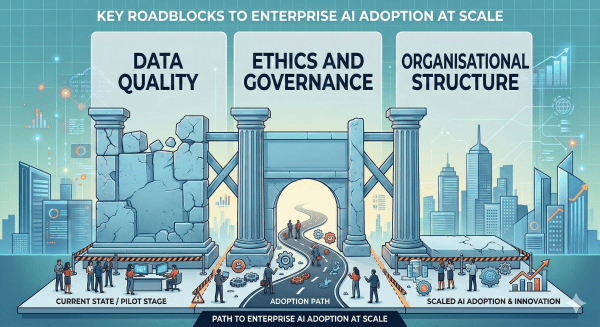
Enterprise enthusiasm for AI is real. So are the three structural barriers preventing it from scaling. Data, ethics, and organisation — here's what's actually in the way.
ChatGPT has triggered an entrepreneurial frenzy. Thousands of startups are launching. Most are building wrappers. Here's how to tell the signal from the noise.
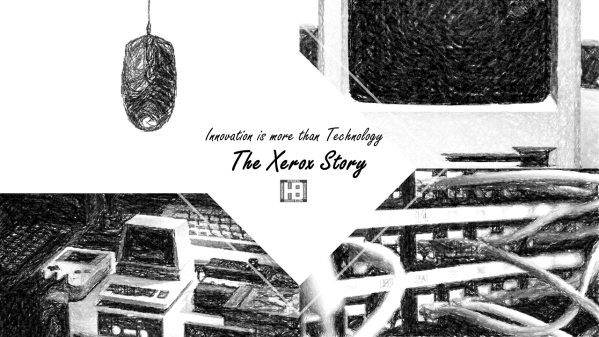
In the 1970s, Xerox's Palo Alto Research Center (PARC) developed the first personal computer, the Xerox Alto. The Alto was the first computer to feature a graphical user interface (GUI) with a mouse and a desktop metaphor, which are now standard features of modern computers. However, Xerox failed to commercialize the technology, and it was instead popularized by Apple, who introduced the Macintosh in 1984. The reason for Xerox's failure was primarily due to the company's focus on its core business of copying and printing, and a lack of understanding of the potential of the personal computer market. Xerox's management at the time did not see the potential of the technology and did not invest in its development. They also did not recognize the potential of the GUI and mouse-based interface, they were more focused on developing the technology for their core business of copying and printing. Additionally, Xerox was not able to capitalize on its innovation because it was not able to create a business model for the personal computer market. The company did not have the distribution and marketing capabilities to compete with companies like Apple and IBM, which had already established themselves in the personal computer market.


You must be logged in to post a comment.