Autonomous agents are moving from slideware to sandboxes. The interesting part is what enterprises are quietly learning about scope, oversight and control.
Agentic AI in Enterprise: The First Real Tests Begin

Learning is forever
Autonomous agents are moving from slideware to sandboxes. The interesting part is what enterprises are quietly learning about scope, oversight and control.

The classics haven’t died. They’re just being rewired for a world where AI shows up in every horizon, from core optimisation to disruptive bets.

Most enterprise AI stacks are built on an invisible gap. Knowledge graphs are the infrastructure layer that makes the difference between AI that demos well and AI that works.
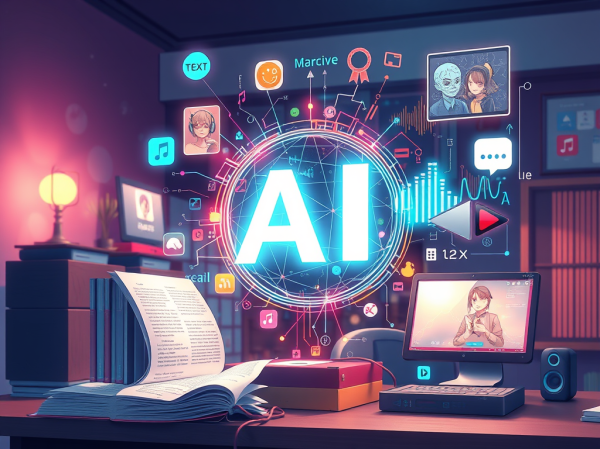
AI that processes text, images, video, and audio together sees the world more like humans do. New enterprise possibilities emerge.
Build-measure-learn hasn't expired. But when your product learns from data and surprises you in production, the loop needs some new steps.

Cloud access has democratised quantum experimentation. The hype is finally settling into something more useful — a clearer view of what quantum actually does.

Responsible AI frameworks are everywhere. Implementation is not. The gap between principles and practice is where the hardest decisions actually live.

While AI grabs the spotlight, quick commerce quietly shows what disciplined growth, logistics depth and real demand can do.

As AI races ahead, the quiet winners may be the data platforms that make everything else possible.
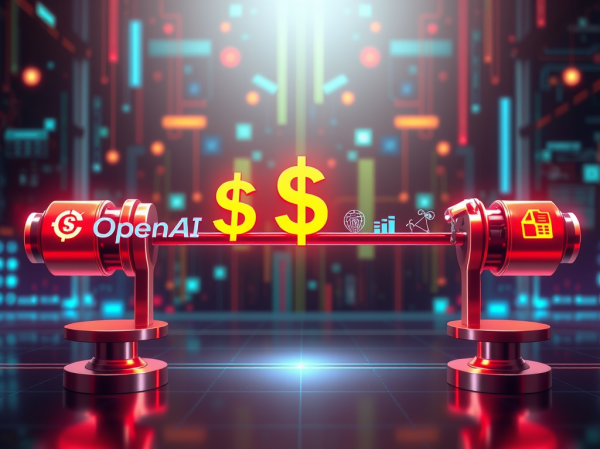
AI is eating the funding landscape. The barbell is widening — massive bets at the top, specialised plays at the base. The middle is thinning.
AI scales up. Governance moves centre stage. Startups prove their models. Here's what the opening signals of a new chapter suggest.

The tech industry reflects on whether recent developments were worth the investment. AI is gaining traction with practical applications, while Web3 struggles with consumer adoption and rebuilding credibility. Startups now prioritize profitability over mere ideas. Success hinges on delivering real utility amidst challenging conditions, shaping future outcomes in these sectors.
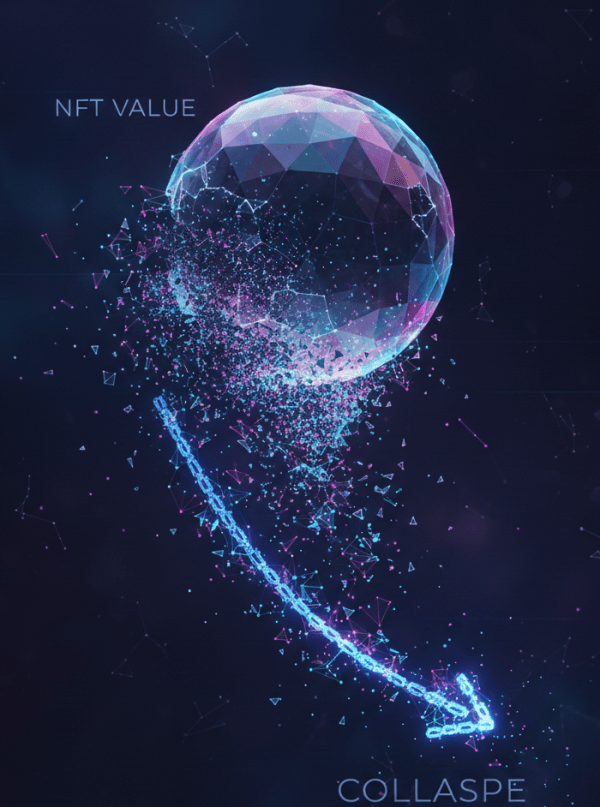
NFTs seemed like the future in 2021. By mid-2022, the narrative is crumbling. Here's what the hype cycle is really revealing about Web3's signal and noise.

The Startup Genome 2023 Report reveals something striking: even as funding dried up globally, founders kept building. The ecosystem held.

Enterprise architects are sitting on a blind spot. Graph databases don't just visualise complexity — they reason through it. Here's why that matters.

Four PMF frameworks — Andreessen, Olsen, 7-Fit, and Sequoia Arc — aren't rivals. They're lenses. Here's how to use them as a diagnostic, not a checkbox

Ideas are abundant. Capital is scarce. That tension isn't just a funding problem — it's a strategic signal about which innovation frameworks actually work under pressure.
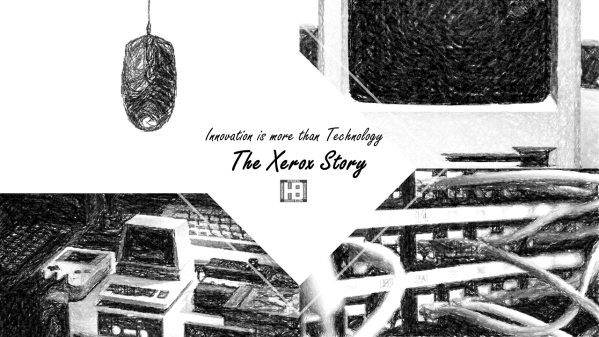
In the 1970s, Xerox's Palo Alto Research Center (PARC) developed the first personal computer, the Xerox Alto. The Alto was the first computer to feature a graphical user interface (GUI) with a mouse and a desktop metaphor, which are now standard features of modern computers. However, Xerox failed to commercialize the technology, and it was instead popularized by Apple, who introduced the Macintosh in 1984. The reason for Xerox's failure was primarily due to the company's focus on its core business of copying and printing, and a lack of understanding of the potential of the personal computer market. Xerox's management at the time did not see the potential of the technology and did not invest in its development. They also did not recognize the potential of the GUI and mouse-based interface, they were more focused on developing the technology for their core business of copying and printing. Additionally, Xerox was not able to capitalize on its innovation because it was not able to create a business model for the personal computer market. The company did not have the distribution and marketing capabilities to compete with companies like Apple and IBM, which had already established themselves in the personal computer market.
Most organizations over-invest in incremental improvements and under-invest in transformative ideas. The Innovation Ambition Matrix reveals exactly why — and what to do about it.

Osterwalder and Pigneur didn't just write about business models — they reinvented how we visualise and challenge them. The Business Model Canvas remains one of the most useful single-page tools in strategy.
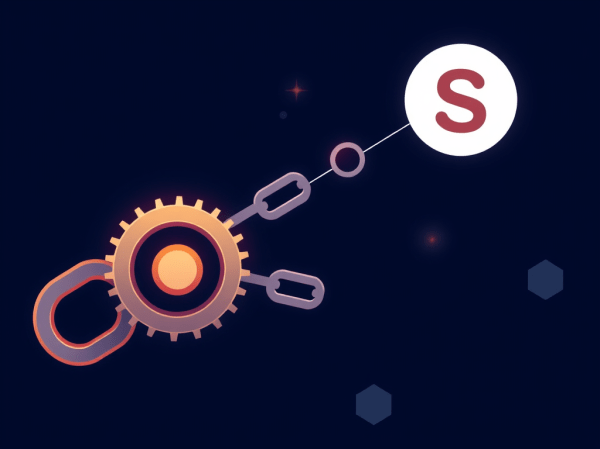
Ethereum's transition from Proof of Work to Proof of Stake isn't just a crypto milestone. It's a masterclass in evolving large-scale distributed systems without breaking them.

Design thinking is everywhere in 2022. But most organizations skip the one phase that actually matters. Here's where the real innovation breakthroughs happen.

During the peak of the pandemic, I spearheaded building karnataka fights corona webapp with a team of 60. A letter from the Government of Karnataka followed. This is that story.

Capital is flowing freely, valuations are untethered, and growth trumps profitability. But the smartest founders I know are building like it won't last.
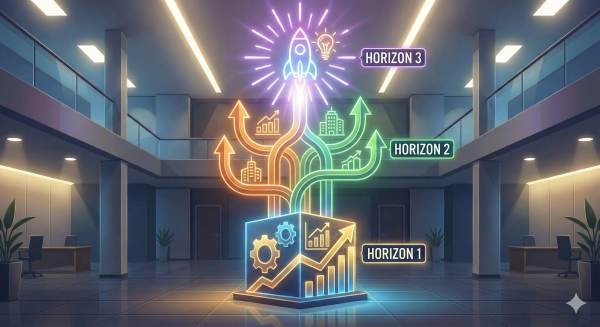
The best innovators aren't chasing every idea — they're managing a disciplined portfolio. Here's the framework separating winners from the rest in 2022

Many enterprises are stuck in AI pilot mode due to three main hurdles: unreliable data stemming from weak governance, a talent shortage in data science, and outdated organizational structures. Successful AI adoption requires treating it as a transformation initiative, investing in data quality, and integrating AI teams with core business functions.

I led the InnerSource movement that enabled 200+ applications and built a discovery portal we open-sourced. Here's why it mattered and what it changed about how teams worked.
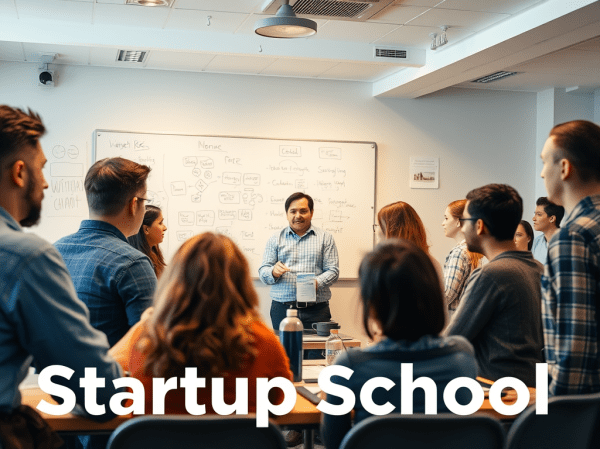
An annual startup school, 1,000+ participants, a venture challenge, real curriculum, and a chance to get funded. Here's why I built it and what it proved about intrapreneurial culture.

We built our company's first in-house startup accelerator. Some of those startups became unicorns. Here's what that taught us about the difference between watching innovation and enabling it.

I built and led an intrapreneurship programme that turned employee ideas into funded internal startups. Here's what it took, what it produced, and what it proved about innovation from within.


 harish.balasubramanian
You must be logged in to post a comment.